
Stereotypes at work: How your subconscious sabotages success

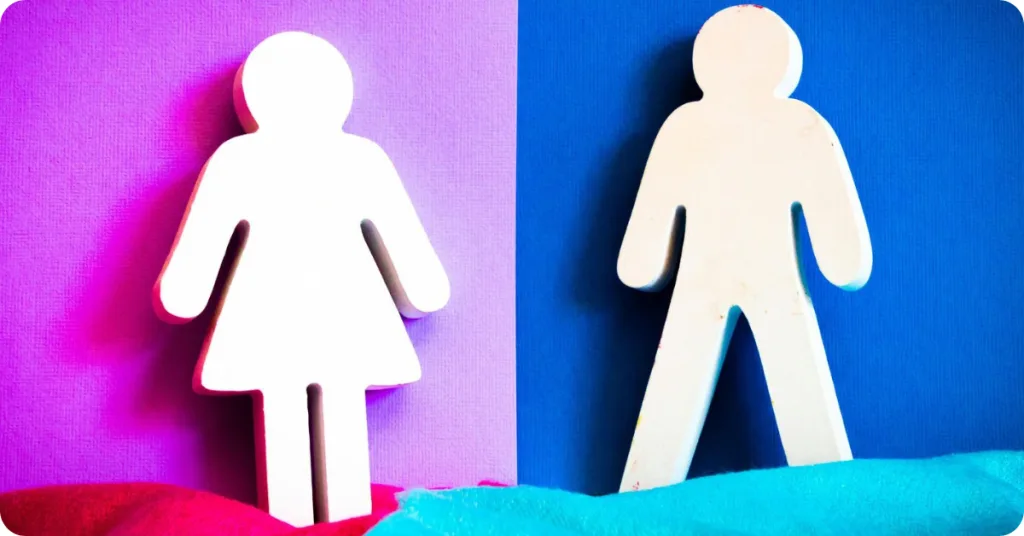
Our society is filled with thousands of stereotypes. And while they are often hidden or unconscious, their impact on everyday life is enormous. They affect everything, from personal relationships to working life, from how we perceive certain groups of people to the career choices we make.
But what happens when these stereotypes turn into limitations? How do they influence our work, communication, and personal growth?
Before you read further, try a quick test. Close your eyes and imagine:
- A top executive in an international company: what gender and age come to mind?
- A person responsible for raising and supporting children’s everyday development.
- The sharpest mind in the IT department. Who do you see?


If the images in your mind were somewhat conventional, you’re not alone. We all think “inside the box” more than we’d like to admit. Now it’s time to break that box open, because stereotypes, those invisible glasses through which we perceive the world, influences us far more than we think.
What are stereotypes?
Stereotypes are persistent, simplified beliefs about groups of people, their traits, behaviors, or abilities. Unlike individual observations, stereotypes don’t necessarily reflect reality, yet they strongly shape how we perceive others. Unfortunately, they can be, not only misleading but also harmful, especially when they serve as the basis for workplace decision-making.
Stereotypes can take many forms. Here are some of the most common:
Gender stereotypes
Women are often seen as less decisive, less logical, or less ambitious than men. Men, in turn, face expectations that they should not express emotions or take on caregiving roles. These perceptions create inequality and restrict opportunities for both women and men.
Age stereotypes
Younger people are often considered inexperienced, while older employees may be perceived as less tech-savvy or less adaptable. These assumptions can hinder career advancement and limit active participation in the workplace.

Racial and ethnic stereotypes
People from different racial or ethnic groups often face biased assumptions. For example, being ascribed certain traits or stigmatized in specific ways. This leads to discrimination and unfair treatment.

Education and status stereotypes
Individuals with higher education are often perceived as more competent or successful, while those without a degree may be underestimated as less ambitious or even incompetent. Such stereotypes can block career growth regardless of actual skills and achievements.
The impact of stereotypes at work
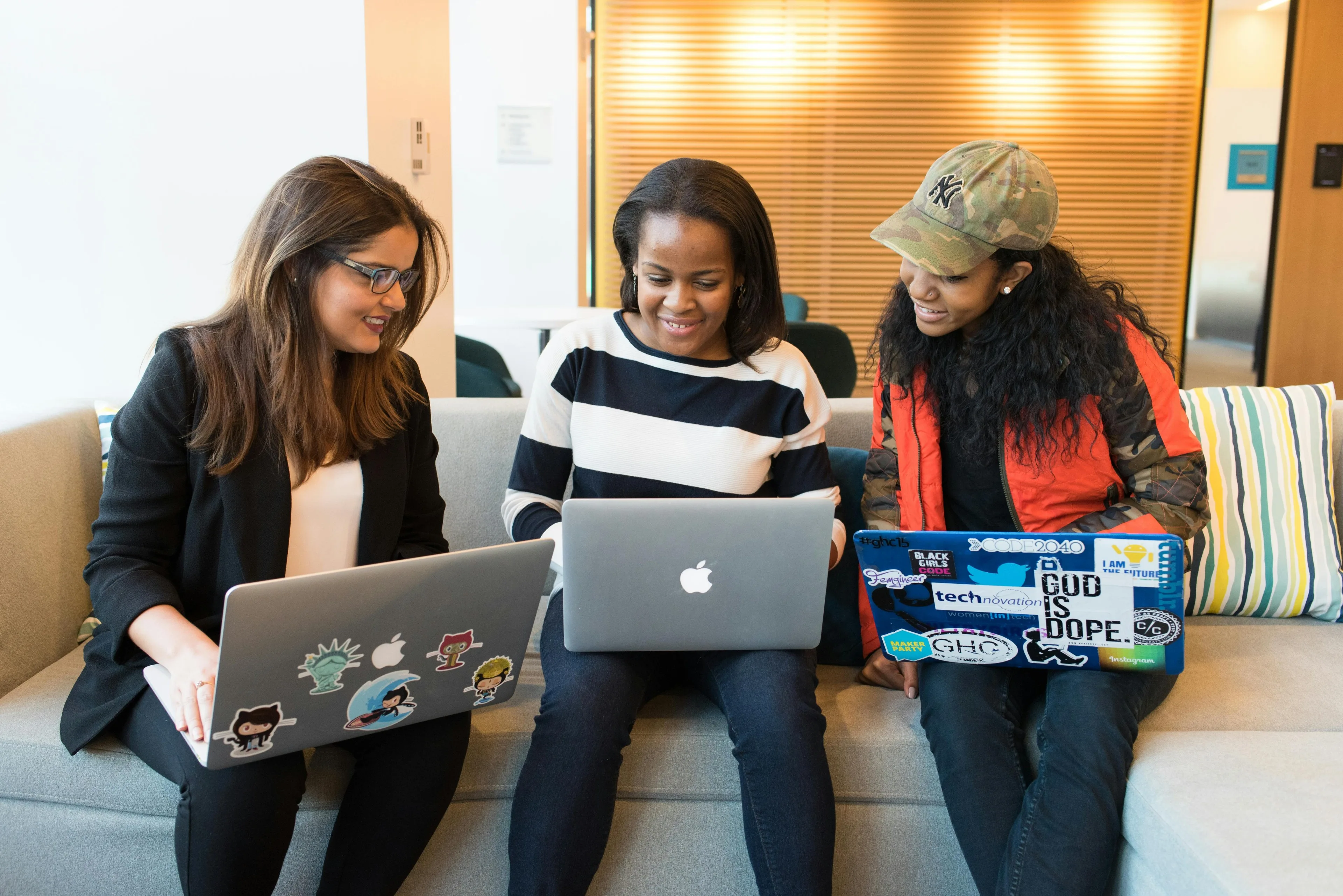
Stereotypes can damage both productivity and workplace culture. When leaders make decisions based on stereotypes, they may overlook talented candidates or team members who don’t fit a pre-set image. This wastes valuable skills and reduces overall performance.
For example, women may be passed over for promotions because they are deemed “unfit” for leadership roles. Men who don’t match the stereotype of being strong and emotionally reserved may struggle to show flexibility or vulnerability.

When employees are not given the chance to step beyond outdated expectations, the whole team loses diversity of ideas and approaches. Instead of taking risks and innovating, people stick to safe, familiar solutions.
What happens when we cling to stereotypes?
By viewing the world through the lens of stereotypes, we:
- Create injustice and discrimination, which lowers morale and productivity.
- Make poor decisions, underestimating actual abilities, and overvaluing stereotypical traits.
- Lose valuable opportunities, for both employees and organizations, because potential is ignored when people don’t “fit the mold.”
What can you do today?
Overcoming stereotypes doesn’t require a revolution. It starts with small but conscious shifts in how we think and act.
- Notice when you form an assumption about someone before you’ve truly listened to them. Pause and ask yourself: Is this based on real experience, or just something absorbed over time?
- Listen openly to colleagues whose perspectives you’ve undervalued.
- In team meetings, pay attention to whether someone’s idea is dismissed not for its content, but because of who said it.
- Speak up when you notice unfairness. Your voice could change everything for someone.
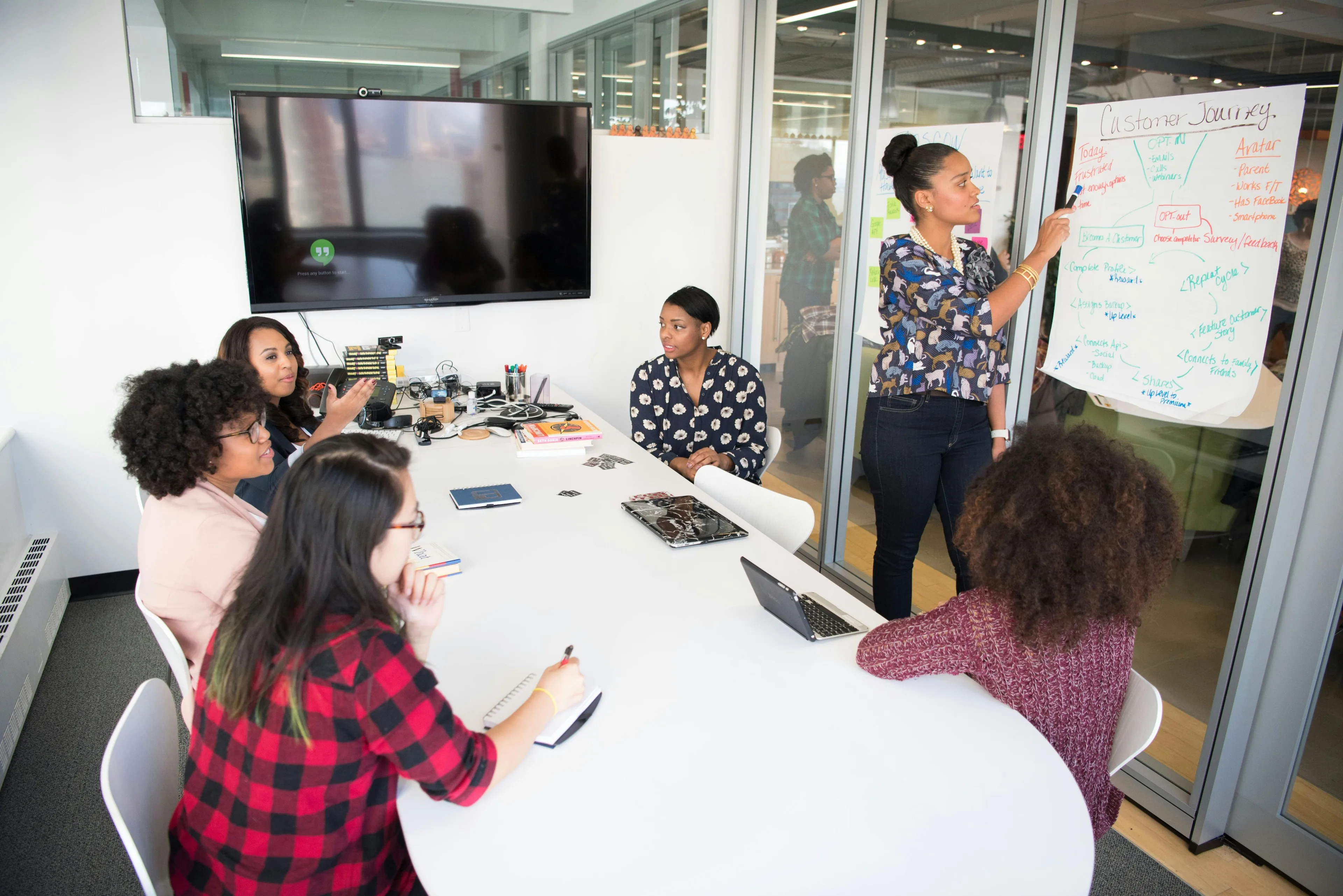
And most importantly: remember that you are part of shaping the culture. Each of your choices either reinforces or breaks down old limitations.
Opening doors for yourself and others
When we make our thinking more flexible and aware, we don’t just open doors for others; we open them for ourselves, too. We open them to more ideas, more collaboration, more growth, fewer barriers, less silence, and less fear. Because behind every stereotype is a real person with potential, and every conscious action we take helps unlock that potential. At the same time, we unlock our own.

Stereotypes aren’t just personal opinions or biases; they’re limiting beliefs that shape our decisions, actions, and relationships. Overcoming them means opening the door to new opportunities and fostering diverse ideas. Let’s not forget that behind every stereotype is a human being with unique skills and potential. Freeing ourselves from these mental blocks creates room for better solutions, both in our personal and professional lives.
Want to know more about how Siffi is helping organisations? Explore Siffi services for companies