Managing 24/7 Operational Pressure in Global iGaming Hubs

TL;DR: The nonstop pace of iGaming puts employees at real risk of burnout. Siffi’s 2025 industry data shows that 91% of employees who seek support choose licensed psychologists or psychotherapists rather than coaches. Fast, confidential digital access can help global iGaming companies protect their teams and reduce avoidable turnover.
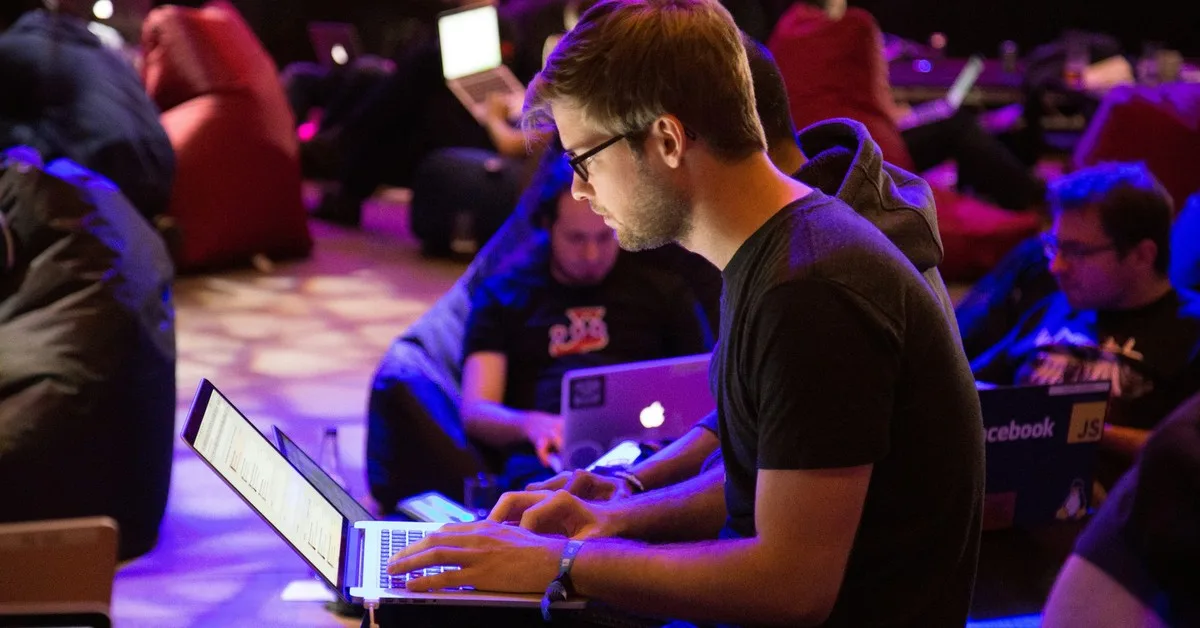
iGaming teams operate in high-tempo, 24/7, multi-market environments. Round-the-clock player support, live-operations monitoring, continuous product releases and regulatory obligations across jurisdictions expose employees to sustained demands across time zones.
Malta is one of the industry’s major hubs. A 2025 workplace survey found that 88% of Maltese employees had experienced poor mental wellness related to work at some point in their careers. The figure is not specific to iGaming, but it illustrates the wider workplace pressures affecting employees in a market where the industry has a substantial presence.
Industry mental health dynamics
Data from the Siffi State of iGaming Workplace Wellbeing 2025 Report highlights structural patterns in how iGaming employees experience and respond to workplace stress:
- High engagement and clinical demand: iGaming employees average 7.9 therapy and coaching sessions per user. The full report compares this with a cross-industry average of 6.4 sessions.
- Preference for licensed therapy: When confidential support is freely available, 91% of sessions are with licensed psychologists or psychotherapists and 9% are with performance coaches. This indicates demand for clinical care rather than wellness perks alone.
- The burnout gap: Anxiety is the leading self-reported issue at intake, while clinicians identify burnout more frequently than employees report it themselves. This suggests that workplace exhaustion often goes unrecognised.
Where pressure hits hardest
Mental health pressure does not affect every iGaming function equally. According to the full Siffi report:
- Technology and Product — 32% of usage: Engineers and developers face high-stakes deployment schedules, system-uptime pressure and continuous technical output.
- Player Support and Payments — 18% of usage: Front-line employees handle customer conflict, escalations and demanding shift patterns, increasing exposure to acute fatigue.
- Marketing and CRM — 17% of usage: Fast campaign cycles, real-time ROI tracking and aggressive acquisition targets contribute to anxiety and workplace friction.
- Compliance and Legal — 6% of usage: High-accountability regulatory monitoring across changing international markets creates persistent background pressure and cognitive strain.
Operational interventions for 24/7 workforces
Traditional employee assistance programmes often have low engagement because accessing help can be slow, support may be limited to business hours, and employees may have concerns about confidentiality. Supporting people in a fast-moving global industry requires a more accessible model.
- 24/7 digital delivery in employees’ own languages: Shift workers, live-operations staff and distributed teams need round-the-clock access across time zones, with support available in more than 40 languages.
- Targeted burnout recognition: Training managers to recognise early signs of exhaustion can help close the gap between self-reported fatigue and clinician-identified burnout.
- Confidentiality and fast access: Direct, confidential access to licensed professionals within one to two days removes administrative barriers that discourage people from seeking support early.
Six practical steps for iGaming HR leaders
Building a resilient workforce requires moving beyond reactive measures towards structural change:
- Prioritise clinical care over perk packages. Ensure wellbeing budgets provide access to accredited psychologists rather than relying only on basic wellness applications.
- Train managers to notice early warning signs. Equip team leads to recognise unaddressed burnout before it becomes prolonged absence or resignation.
- Support high-risk functions proactively. Tailor outreach for shift-heavy player-support teams and high-intensity technology roles.
- Close the engagement gap for male employees. Present support in practical terms such as resilience, performance and discreet one-to-one access.
- Track clinical and utilisation metrics. Measure activation, repeat usage and anonymised department-level trends to understand impact.
- Turn psychosocial risk assessment into an operating tool. Measure different dimensions of risk, then define actions to reduce them.
A modern iGaming employee mental health platform can help organisations protect resilience, reduce absence and mitigate turnover risks across global hubs.
Frequently asked questions
Why are iGaming teams at higher risk of workplace burnout?
iGaming operations run around the clock across multiple time zones. Employees may be responsible for live events, rapid technical releases, regulatory controls and nonstop player support. Sustained pressure, irregular shifts and high accountability can accelerate exhaustion when recovery and support are inadequate.
How does an iGaming mental health platform differ from a traditional EAP?
A digital platform provides continuous access, confidential onboarding, support in more than 40 languages and appointments with licensed specialists within one to two days. This removes several common barriers associated with traditional, reactive programmes.
Why do iGaming employees overwhelmingly choose therapy over coaching?
Siffi’s report shows that 91% of sessions are with licensed psychologists or psychotherapists. Employees seeking help are often dealing with anxiety, chronic fatigue and acute workplace stress that call for appropriately qualified clinical support.