

Managing distributed teams across Europe requires a mental health solution tailored to varied cultures, languages, and work styles. Traditional EAPs often suffer from single-digit engagement, leaving remote teams isolated. We evaluated the top 5 platforms supporting European teams:
Remote work gives employees flexibility, and companies access to a wider talent pool. But managing teams spread across Europe is not without its challenges. Differences in culture, time zones, and language can make communication and expectations harder to manage, especially if managers are not trained for this reality. The same issues come up when choosing a mental health platform. Without the right support, teams can lose alignment, and traditional Employee Assistance Programs often fail to engage employees meaningfully.
Based on several years of observing the European market, we have evaluated the top five mental health platforms that best support multicultural companies. Our review looks at what makes each platform unique, how it handles language diversity, its delivery model, and how well it fits into existing HR systems.
Founded in Amsterdam in 2020 by clinical psychologist Gijs Coppens and tech entrepreneurs, OpenUp was built to destigmatize everyday mental health care in the European corporate space. OpenUp stands out because it fits well with European values around work-life balance and takes data privacy seriously. Instead of treating mental health as something you only address in a crisis, OpenUp encourages regular psychological support as part of everyday wellbeing. This makes it approachable for teams working in offices or in hybrid setups, especially in Western, Central, and Northern Europe. Regarding HR tools and analytics, OpenUp offers clear visibility for HR leaders while strictly preserving employee confidentiality under strict GDPR guidelines.

Founded in London in 2018 by Calvin Benton and Gavin Dhesi, Spill is an EAP born out of a mission to make talking about mental health at work as casual and frictionless as sending a message to a colleague. It is primarily designed for convenience. Employees do not need to log into a separate portal or app. Instead, they can book therapy sessions and access mental health support directly within the chat tools they already use every day, such as Slack or Teams. This approach makes it much easier for people to reach out for help when they need it. Regarding HR tools and analytics, Spill features offer deep native integration into team communication channels, along with manager training guides on spotting burnout early.
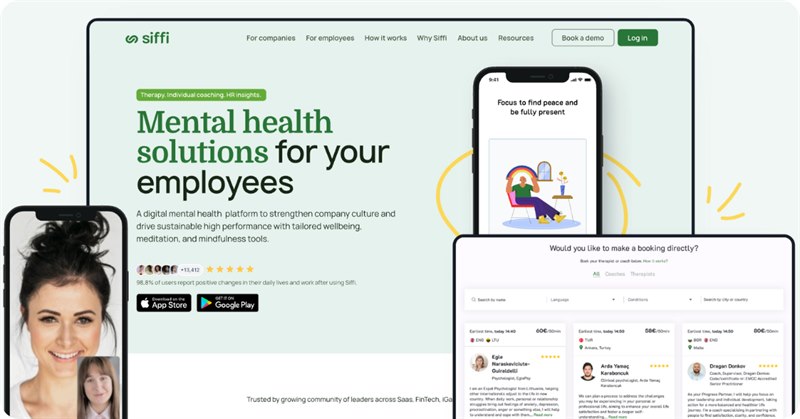
Founded in 2018, Siffi emerged directly from the growing pains of managing fast-scaling, highly distributed European tech and remote workforces where traditional, rigid EAPs failed to connect. Their mission is to de-stigmatize mental health issues and bring hassle-free support to all workers regardless of location or language. While most platforms support only English or a few major European languages, Siffi goes further by offering support in over 40 languages and understands the realities of distributed teams. It combines one-to-one coaching, structured therapy, and management tools with automated HR features and clear results tracking. This makes it a strong fit for fast-growing tech companies and remote-first teams that are spread across many countries. Regarding HR and analytics, Siffi offers real-time anonymous engagement insights, department-level usage tracking, employee surveys, and a built-in ROI calculator that tracks absenteeism and retention. It also connects seamlessly with over 30 HRIS platforms.
Founded in the UK in 2016 by Dr. Nick Taylor, Nick Tong, and Ry Morgan, Unmind was created to shift corporate mental health from a reactive “fix-it” model to a proactive, data-backed science. Instead of focusing only on therapy sessions, it offers clinical self-assessments, structured educational modules, and detailed reporting. This helps large HR teams understand company-wide mental health trends without compromising employee privacy. In terms of HR tools and analytics, Unmind offers strong, anonymized psychometric tracking that enterprise HR teams can use to view cross-office trends.
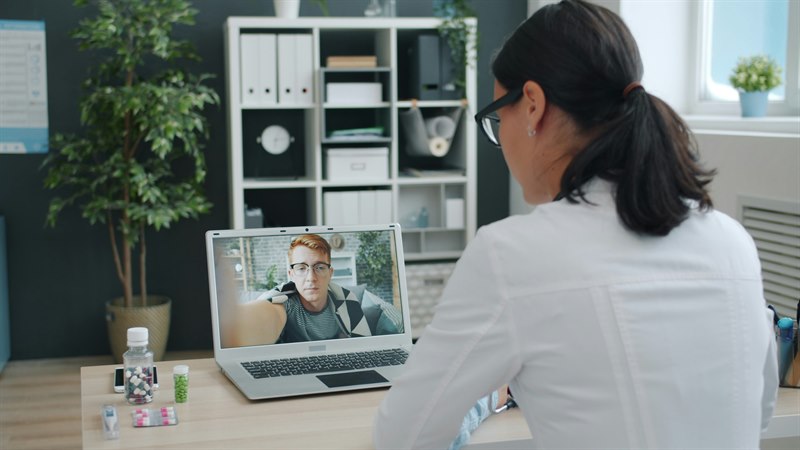
Founded in 2012 as one of the earliest pioneers of online text and video therapy in the United States, Talkspace later expanded into mental health for businesses. With its long history in telehealth, Talkspace offers access to a large network of licensed therapists and psychiatrists worldwide. It is well suited for companies that need ongoing clinical care and psychiatric support across many countries and specialties. When it comes to HR tools & analytics, Talkspace’s enterprise dashboards provide utilization tracking and standard program effectiveness metrics.

With these capabilities in mind, choosing the right partner comes down to a few key considerations. When it is time to make a decision, we advise you to look at 4 main factors:
Choosing the right mental health platform isn’t just about finding the biggest brand name on the market right now; it’s about matching your company’s unique needs. Whether you manage a small hybrid office in Western Europe, a fast-moving engineering team chatting exclusively on Slack, or a workforce scattered across multiple time zones and languages, investing in the right wellbeing partner makes all the difference. By prioritizing platforms that align with your team’s communication habits, language needs, and budget structures, you can build a resilient, supported workplace where everyone can thrive.

Psychology Content Writer at Siffi
Morgane crafts compassionate, engaging content that makes mental health conversations more human and accessible. At Siffi, she combines storytelling with strategy to foster a culture of care and connection in the workplace.