


EU-OSHA’s “Together for Mental Health at Work” campaign launches on October 20th with a major conference in Vienna. 1 in 3 EU workers face work-related mental distress, costing the EU economy an estimated €620 billion annually. Employers are already required to address mental health under EU Framework Directive 89/391/EEC, though enforcement varies across Member States. A European Parliament report (via Rule 47) is pushing for binding EU-wide laws, enforceable rights to disconnect, and mandatory annual risk assessments. Companies must audit their psychosocial risk practices now — prioritizing prevention over reactive wellness initiatives to stay compliant and prepare for incoming rules.
This October, the EU will launch its most ambitious campaign yet on mental health at work. If you are an employer, now is the time to reflect on your current practices and prepare for the changes ahead. To grasp why this topic matters and how big the challenge is, let’s look at some key numbers.
People are not always aware that preventing all workplace risks, including those that can lead to chronic stress, burnout, and anxiety, is already a legal requirement under the EU Framework Directive 89/391/EEC. Under that directive, employers are legally obligated to treat mental wellbeing with the same seriousness as physical safety:
However, significant differences remain in how EU countries address psychosocial risks. Some countries, such as Sweden, Belgium, and Denmark, have strong national laws in place. Others still see mental health as mainly an HR topic, rather than a central workplace issue.
EU-OSHA (The European Agency for Safety and Health at Work)) has identified five priority areas:
Employers should take a systematic approach: identify risks, involve employees and their representatives, set clear priorities, put action plans in place, and regularly check progress. Strong leadership and making these practices part of daily routines are essential for real change.
It is critical to build a zero-tolerance culture, set up clear reporting procedures, and address the root causes in both organizational culture and leadership style.
Physical and psychosocial risks are closely linked. High psychosocial demands can make accidents and musculoskeletal problems more likely. That is why it is important to look at the whole work environment, not just one part.
People working in health and social care face especially high workloads, emotional demands, and even violence from third parties. This sector needs special attention and prevention strategies that fit its unique challenges.
Encourage open conversations, work to reduce stigma, offer early support, and set up effective return-to-work processes. Collaboration between managers, employees, and health professionals is essential.

In March 2026, the European Parliament’s Committee on Employment and Social Affairs released a report proposing legislation to shift workplace mental health from voluntary initiatives to binding, enforceable legal standards. It states, for example, that individual coping strategies should not replace an employer’s legal obligation to prevent risks. It also requests that the European Commission submit a proposal for a legally binding directive and shift the burden of proof from employee to employer.
There is still quite a long way until this comes into place. The proposed Directive divides European lawmakers and social partners into two distinct camps. While both sides agree that workplace mental health is a crisis, they fundamentally disagree on whether hard, legally binding European legislation is the right way to go.
At this stage, we are still awaiting the committee’s decision on this proposal.
A normal Parliament report is just an opinion piece that can easily be ignored. But this is a special one. Rapporteur Ceulemans is using rule 47, a special “power” which includes a fully drafter law. If passed, it triggers a legal obligation: the European Commission must respond within three months and either introduce the law or formally explain why it refuses to do so.
However, under rule 47, to turn this proposal into reality, Rapporteur Ceulemans’ team cannot win a normal vote. In this specific case, an absolute majority is needed, regardless of how many people actually show up to vote. With 720 total seats in the current European Parliament, the proposal needs exactly 361 “Yes” votes to pass.
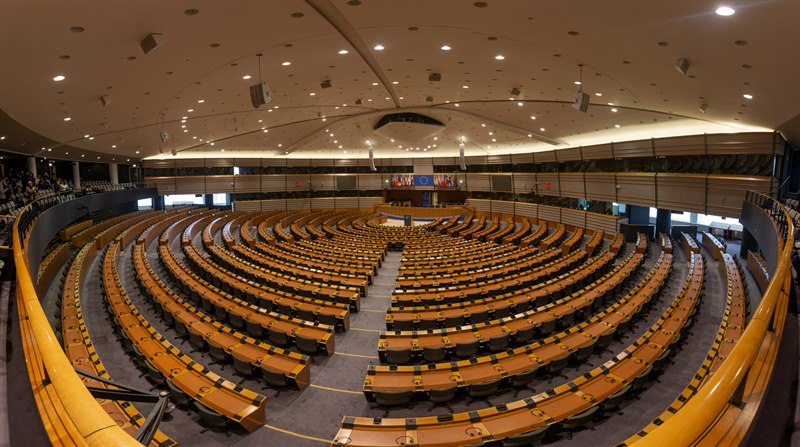
It is in this context that the EU Agency for Safety and Health at Work will launch its “Healthy Workplaces” campaign next year, focusing on “Together for Mental Health at Work”. A campaign that will, for the first time, solely focus on psychosocial risks and mental health. It will officially start on October 20th with a conference in Vienna, and events will continue into 2027 and 2028. But you do not need to wait. The campaign website and guide are already available, along with case studies and reports published this summer. While EU-OSHA cannot pass laws itself, this massive initiative is strategically designed to shape the political climate just as the European Commission decides whether to formalize the draft Directive on Psychosocial Risks.
As we have seen, this isn’t about introducing a new law, but about making sure we follow the one already in place. So first off, there is no need to panic. But it is definitely the perfect time to review your company’s practices and ensure they meet the requirements of the European directive before the campaign even begins. Don’t know where to start? We are here to help. From the start, Siffi’s focus has been on prevention and being proactive. Our self-assessment tools help you understand where you stand, take action, and track your progress at every step. Reach out today and get ready before the campaign begins.

Psychology Content Writer at Siffi
Morgane crafts compassionate, engaging content that makes mental health conversations more human and accessible. At Siffi, she combines storytelling with strategy to foster a culture of care and connection in the workplace.